


What is the difference between grout powder and grout glue?
When completing a project, especially when tiling, grouting is an indispensable step to create a beautiful and durable space. However, not everyone clearly understands the difference between grout powder and grout glue. Although both are used to fill between tile joints, they have different features and advantages and disadvantages. In this article, we will learn what grout powder and grout glue are, the differences between them, and when to use each type appropriately.

Learn the difference between grout powder and grout glue
1. What is grout powder?
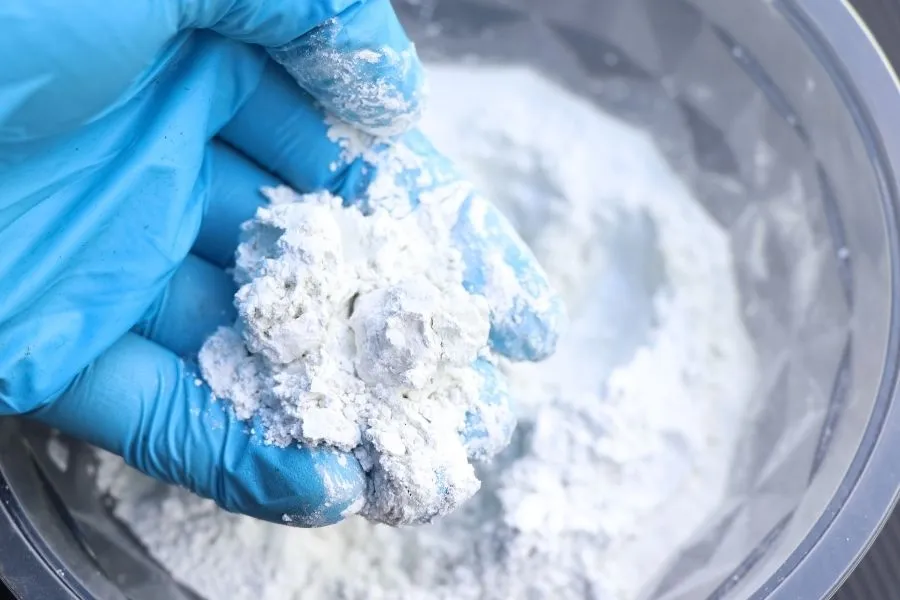
Grout is a construction material used to fill the joints between tiles during the installation of tiles or tiling. This is a necessary product to complete brick works, not only helping to create a bond between tiles but also enhancing the aesthetics of the surface of the construction. Grout is often mixed with water or additives to form a flexible mixture that can be easily applied to the joints.
Grout is mainly made from ingredients such as cement, fine sand, minerals, and additives that help improve the elasticity, waterproofing, and adhesion of the product. Grout can be mixed with many different colors to match the color of the tiles and the design of the construction. Popular colors include white, gray, cream, and black.
Advantages of grout:
Low cost: Grout is often cheaper than grout, helping to save costs for the construction.
High durability: Grouting with powder can help increase the durability of tile joints, limiting cracking over time.
Simple, easy to apply: Grout powder is very easy to use and can be applied by hand or with specialized tools.
Disadvantages of grout powder:
Easily yellowed: If not cleaned properly, grout powder can easily get dirty and yellow over time.
Poor waterproofing ability: Grout powder does not have high waterproofing ability like grout glue, is easily permeable to water and can lead to damage over time.
Grout can be formulated in a variety of colors to match the color of the tiles.
2. What is grout?
Grout is a specialized adhesive used to fill the gaps between tiles in tiling works. Compared to grout powder, grout is a pre-mixed product, often packaged in paste or gel form, making it easy to apply and providing a smooth, beautiful surface. Grout is used to ensure a strong bond between tiles, while also being waterproof and moisture-proof, helping to increase the durability of the work.
Grout is often produced from polymers, adhesives, silica, and other additives, providing high flexibility and good waterproofing. These ingredients help the grout not only be flexible but also highly durable, resistant to environmental impacts, especially in wet areas such as bathrooms, kitchens or outdoors.
Advantages of grout:
Good waterproofing: Grout has excellent waterproofing ability, helping to protect the tile surface from water seepage and mold.
Flexible, durable: Grout has high elasticity, helping to maintain long-term durability, without cracking or peeling over time.
Easy to clean: Grout is not as easily soiled as grout powder, and cleaning is also much easier.
Disadvantages of grout:
High cost: Grout is more expensive than grout powder, so it will cost more to use.
Difficult to construct: Although grout is easy to clean, the initial construction may be more difficult due to its flexibility and strong adhesion.

Grout is a premixed product that makes it easy to apply.
3. What is the difference between grout powder and grout glue?
To help you have a clear view of the difference between grout powder and grout glue, below is a comparison table of important criteria:
| Criteria | Grout powder | Grout |
| Material | Cement, fine sand | Synthetic polymers |
| Waterproofing | Medium | High, good water resistance |
| Durability | Good, but can crack over time | Long lasting, no cracking |
| Elasticity | Less elastic, prone to cracking | Tall, flexible and resilient |
| Construction level | Easy to apply by hand or with tools | Specialized construction tools required |
| Aesthetics | Color may yellow, need regular cleaning | Color retention, easy to clean |
| Price | Cheap, cost saving | Higher, but more durable and quality |
| Application | Suitable for small joints, spaces less affected by water | Suitable for wet areas, areas requiring high waterproofing |
4. When should you use grout powder and grout glue?
The choice between grout powder and grout glue should be based on the specific requirements of the project and the conditions of use, to ensure construction efficiency and sustainability for the project. Below are some specific cases to help you decide when to use each type of product:
When should you use grout powder?
For large areas: Grout powder is suitable for large areas or areas with many joints, helping to save costs and construction time. Grout powder can be easily mixed and used on areas with many tiles.
Application for indoor projects: Tile grout powder is often used for indoor projects such as bathrooms, kitchens, where there is little contact with water for a long time. It provides a smooth, uniform layer of grout, and is easy to adjust the thickness.
Projects requiring economy: Grout powder costs less than grout glue, so this is an ideal choice for projects that need to save budget but still ensure quality.

Grout powder is suitable for large areas or areas with many grout joints.
When to use grout?
For surfaces exposed to water: Grout is designed to be more waterproof and can withstand more water, making it an ideal choice for outdoor areas or areas with high humidity such as swimming pools, bathrooms, or toilets.
For areas requiring high aesthetics: Grout has strong adhesion and long-lasting color, so it is very suitable for projects requiring high aesthetics, such as living rooms, luxury spaces.
Projects requiring flexibility in construction: Grout has better adhesion and elasticity, so it is easy to construct on uneven surfaces or large expansion, helping to ensure long-term durability for the grout joints.

Grout is very suitable for projects requiring high aesthetics.
Grout powder or grout glue both have their own advantages and applications in construction projects. Choosing which type depends on the specific needs and conditions of the project. Hopefully through this article, you have more useful information to make the right decision for your project.


.jpg)


