


Signs That You Need Floor Waterproofing Immediately to Protect Your Building
loor waterproofing is not only an essential factor in ensuring the longevity and safety of a building. No matter how solidly a structure is built, it is still susceptible to environmental impacts. When signs of leakage appear, timely treatment is crucial to protect the building’s structure. This article will help you identify the warning signs that indicate the need for immediate floor waterproofing and introduce LEMAN, one of the leading brands in the floor waterproofing industry.

Signs of floor waterproofing
1. Why Is Timely Floor Waterproofing Important?
There are many reasons to perform floor waterproofing, but here are the five most essential ones to help you better understand the benefits it brings.

Why do you need timely floor waterproofing?
1.1 Protecting the Structural Integrity of the Building
The floor is an integral part of a building’s overall structure. When water seeps into the floor, the concrete becomes weakened, leading to cracks or breakage. Timely floor waterproofing helps prevent these issues, maintaining the stability and safety of the structure.
1.2 Reducing Long-Term Repair Costs
If water leakage is not addressed early, it can cause severe damage and result in high repair costs. Applying floor waterproofing from the beginning, or as soon as signs of seepage appear, not only saves money but also ensures long-term efficiency.
1.3 Preventing Mold and Health Problems
A humid environment is the perfect breeding ground for mold and bacteria. This not only affects aesthetics but also poses serious health risks, especially to children and the elderly.
1.4 Maintaining the Aesthetic Value of the Building
A water-stained floor often shows yellow marks, peeling, or cracking, which greatly reduces aesthetic value. For large buildings such as offices or commercial areas, this can also impact the owner’s image and reputation.
1.5 Extending the Lifespan of the Building
A properly applied floor waterproofing system helps minimize the effects of rainwater, moisture, and water pressure from below. This not only extends the lifespan of the floor but also enhances the overall durability of the entire structure, ensuring long-term use without damage.
2. Signs That You Need Floor Waterproofing Immediately
Some areas are more prone to leakage—these include locations directly exposed to rain and sunlight or areas that often come into contact with water. These spots are often overlooked during construction, which can lead to reverse seepage.
2.1 Yellow Stains or Mold on Floor and Wall Surfaces
This usually occurs in corners, baseboards, or areas frequently exposed to moisture, such as bathrooms or rooftops.
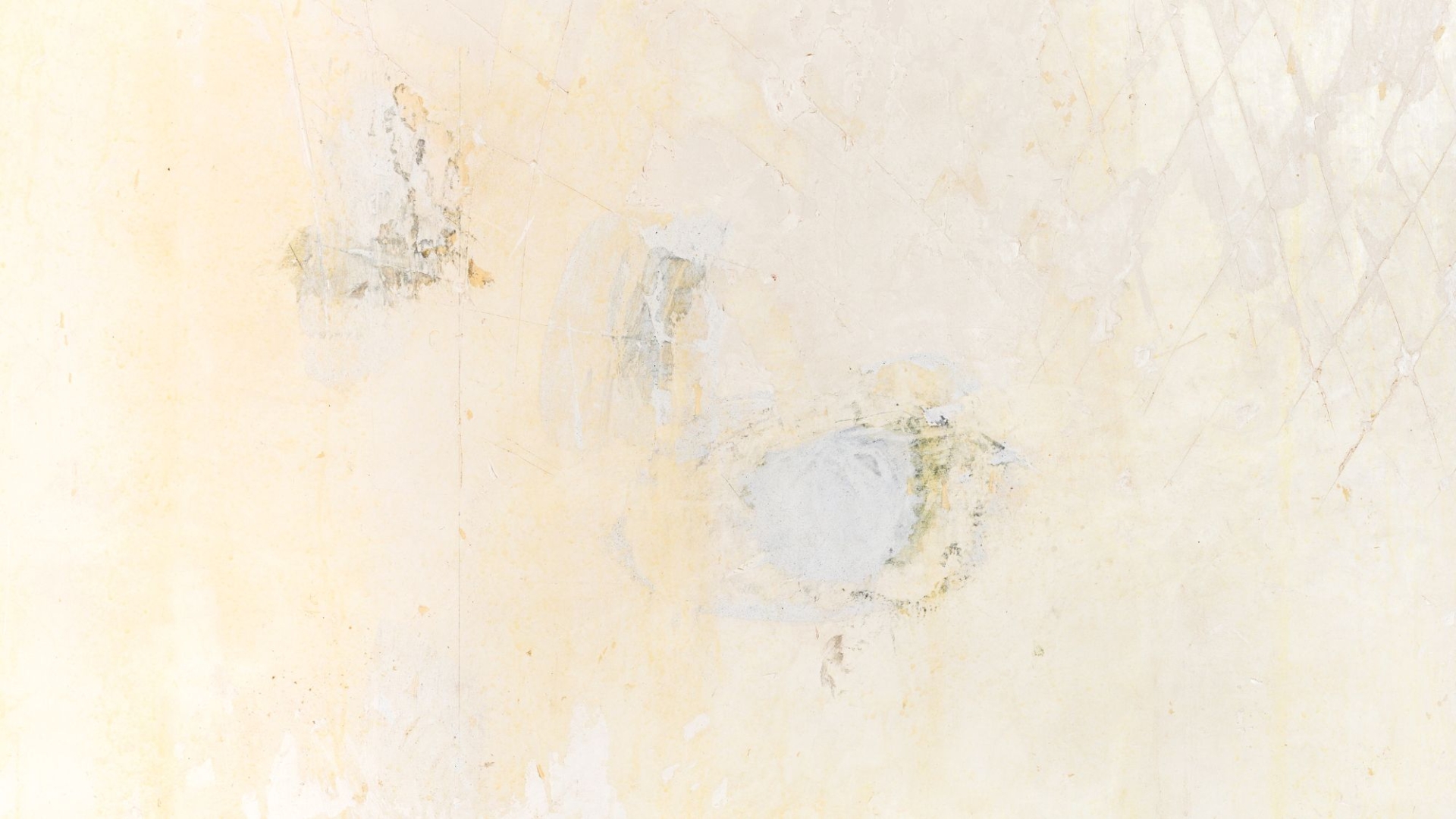
Yellow stain on the wall
Cause: Water accumulates inside construction materials like concrete or cement mortar. As water penetrates through micro-pores, dissolved ions such as calcium (Ca²⁺) and magnesium (Mg²⁺) are carried along. When the water evaporates, calcium hydroxide (Ca(OH)₂) precipitates and forms white or yellow stains.
In humid environments, microorganisms such as mold or bacteria thrive, feeding on organic materials and minerals in the substrate. This interaction leads to visible mold growth on surfaces.
2.2 Peeling or Blistering of Surface Coatings
This phenomenon often occurs on tiled floors or painted concrete surfaces. The cause lies in hydrostatic pressure caused by trapped water underneath. As the water evaporates or temperatures fluctuate, expansion beneath the coating leads to blistering or peeling.

Blistered peeling wall
Additionally, in highly alkaline environments (pH > 12) such as new concrete, reactions between water and cement produce Ca(OH)₂. When this compound interacts with CO₂ in the air, it forms CaCO₃, weakening adhesion between the coating and the substrate.
2.3 Persistent Musty Odor from the Floor
This often occurs in areas such as basements, ground floors, or enclosed, poorly ventilated spaces.
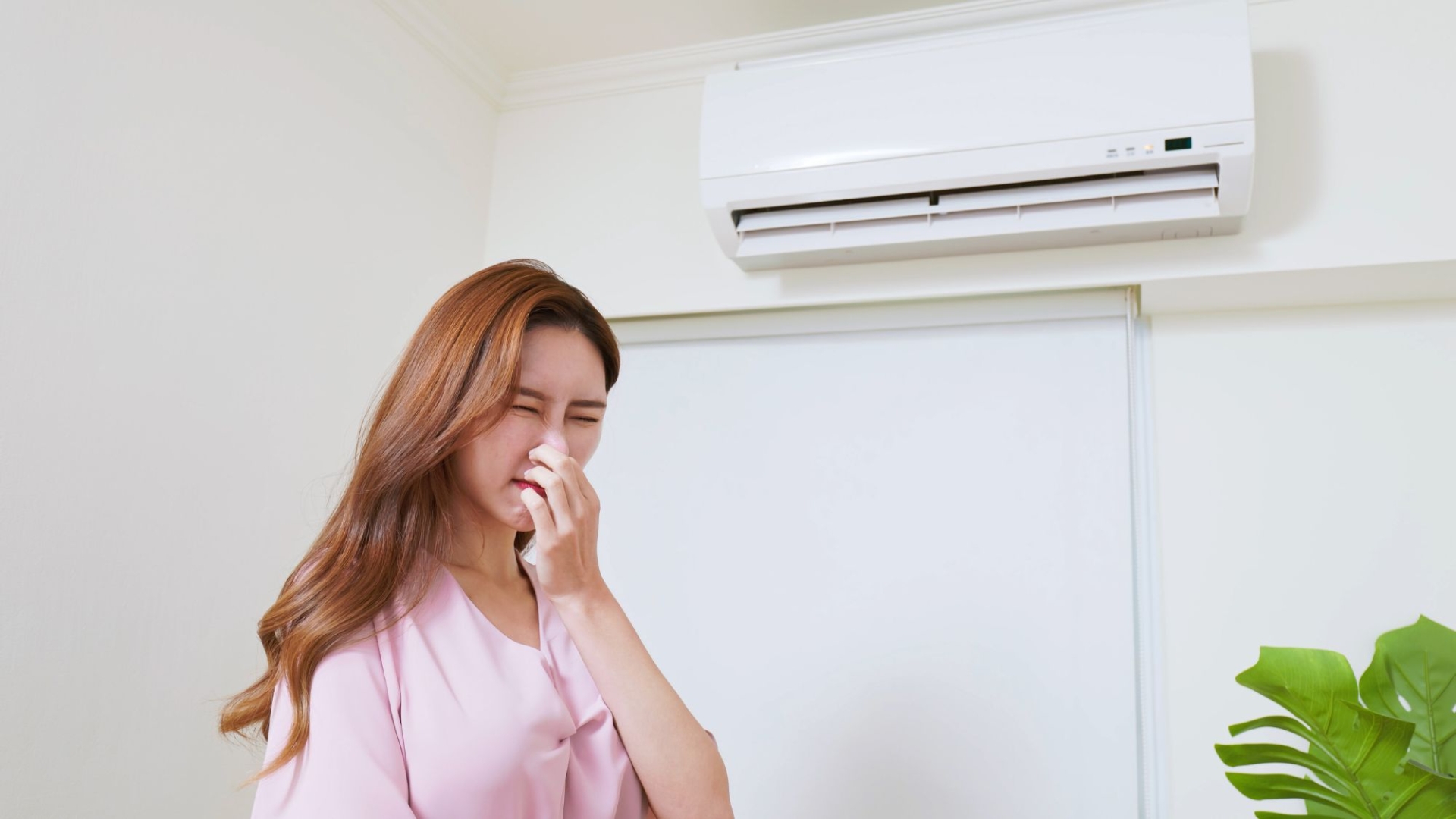
Long lasting mustry smell
The musty smell comes from the decomposition of organic compounds in construction materials. Microorganisms—especially bacteria and fungi—break down cellulose, protein, and fats in mortar, wood, or other materials, releasing volatile organic compounds (VOCs) like aldehydes, ketones, and methanol, which cause unpleasant odors.
Additionally, water containing iron (Fe²⁺) or sulfate (SO₄²⁻) ions in a reducing environment may produce hydrogen sulfide (H₂S), leading to a distinctive rotten egg smell.
2.4 Cracks (Small or Large) on the Floor
Cracks are often visible on concrete floors, especially in older buildings or those under heavy load.
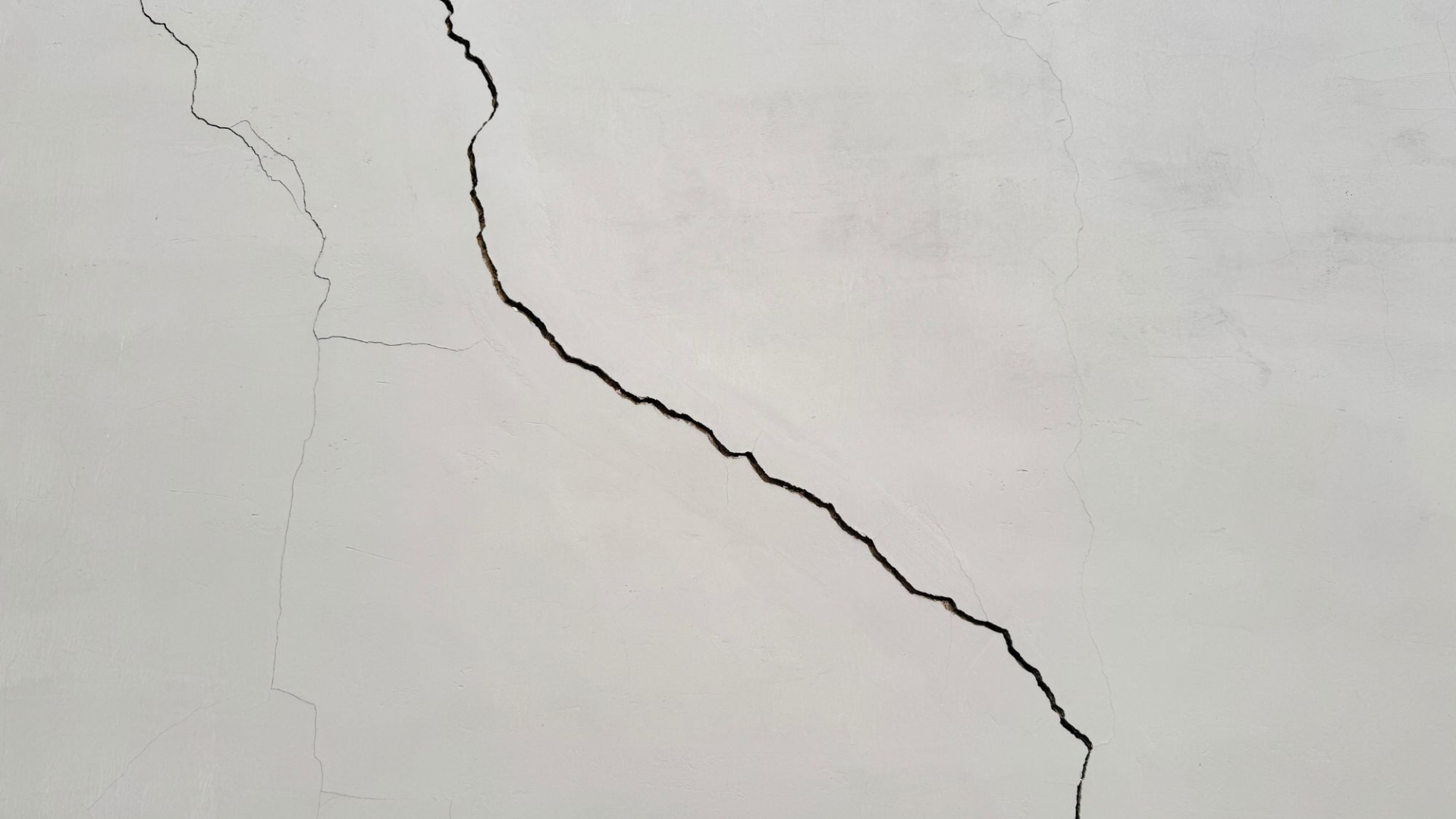
A small crack appears
The cause may come from the Alkali-silica Reaction (ASR): When concrete contains aggregates with active silica, water and alkali (Na+, K+) from cement can react to form an alkali-silica gel. This gel absorbs water and expands, causing surface cracking. Or shrinkage due to rapid drying: Concrete is dehydrated too quickly during the freezing phase, leading to uneven shrinkage, causing cracks.
2.5 Water Seepage from Wall Base to Floor (or Vice Versa)
This is common at the junction between the wall and the floor, especially in basements and bathrooms.
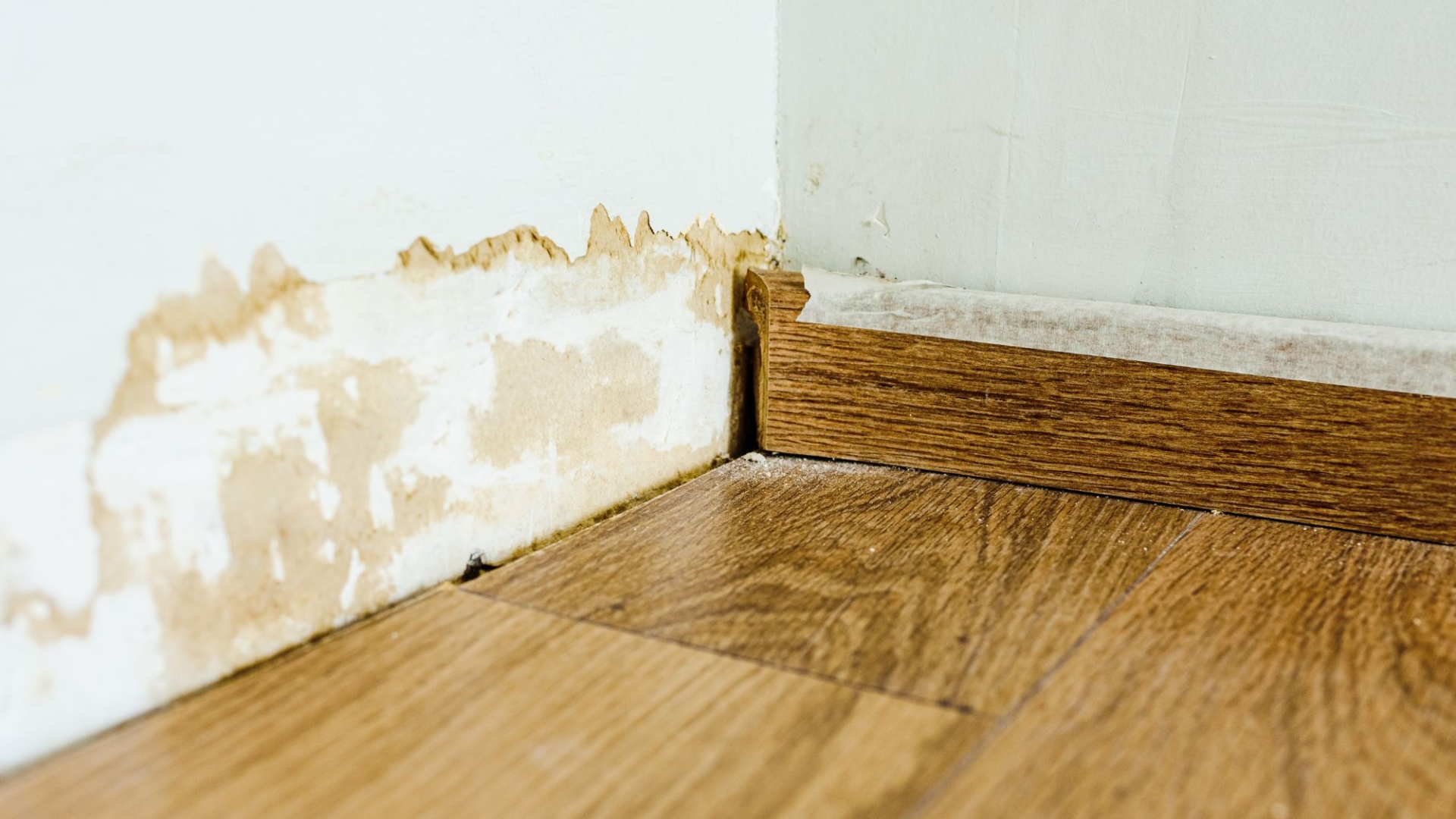
The base of the wall is soaked
Capillary phenomenon: Water from groundwater or moist soil penetrates through micro pores in concrete. This process is enhanced in a highly alkaline environment or containing chloride (Cl−) and sulfate (SO4²−) salts, damaging the concrete structure.
Chemical reaction with additives: Some incompatible additives in concrete can weaken the bond, creating conditions for water to see through.
3. Effective Floor Waterproofing Solutions with LEMAN Products
Once leakage signs appear, finding a timely solution is crucial. Among the many options available, LEMAN waterproofing products are widely trusted for their effectiveness across different types of construction projects.
3.1 Why Choose LEMAN Waterproofing Products?
LEMAN products are highly rated by construction experts for several outstanding advantages:
- Superior waterproofing performance: LEMAN uses advanced production technology to create durable, water-resistant membranes that withstand high water pressure.
- Safe and eco-friendly: Free from toxic chemicals, ensuring user safety.
- Easy to apply: Designed for convenient use, even by non-professionals.
3.2 Choosing the Right LEMAN Product for Each Type of Project
Type of Construction | Characteristics | Suitable LEMAN Product | Reason for Selection |
Residential (floors, rooftops) | Frequently exposed to rain, sunlight, and light loads | LEMAN AT-11 Plus Floor Waterproofing | Easy to apply, excellent waterproofing, protects surfaces and prevents mold. |
Basements | High water pressure from soil or groundwater | LEMAN AT-15 Pro Two-Component Waterproofing | Withstands strong water pressure, provides multidirectional waterproofing and creates a durable protective membrane. |
Bathrooms, Restrooms | Constant exposure to water and humidity | LEMAN AT-11 Plus Floor Waterproofing | Forms a thin waterproof layer, ideal for application over tiles or concrete. |
Commercial Buildings (cafés, offices) | Requires both durability and aesthetic appeal | LEMAN AT-11 Guard Wall Waterproofing | Combines waterproofing and decorative features, suitable for visible surfaces. |
Industrial Projects (factories, warehouses) | Subject to heavy loads, chemicals, and high humidity | LEMAN AT-15 Pro Two-Component Waterproofing | Provides strong waterproofing, chemical and mechanical resistance, and extends building lifespan. |
Recognizing and addressing signs of water leakage early not only protects the structure but also saves significant repair costs in the long term. With LEMAN floor waterproofing products, you can be fully confident in the effectiveness and durability of your waterproofing solution.
LÊ MỸ LINH


.jpg)


