


Pocket information about grout that no one may have told you
Did you know that seemingly small joints are an important factor in determining the aesthetics and durability of the entire project? But do you fully understand about grout? From basic definitions, outstanding advantages to popular types of grout on the market. In this article, LEMAN will bring you all the necessary information, even things that no one has told you about this type of grout!

Information you need to know about grout
1. What is grout?
Grout is a material used to fill the joints between tiles on floors or walls. Instead of using traditional powders, grout offers many superior features thanks to its modern composition. Grout is often made from materials such as epoxy, polymer or a mixture of improved cement-based ingredients, helping to create high adhesion, waterproofing and long-term durability. Grout is often produced in gel or paste form, easy to apply without mixing. This is the perfect alternative to traditional grout powder thanks to its flexibility, high durability and many color options, meeting the strict aesthetic requirements of modern constructions.
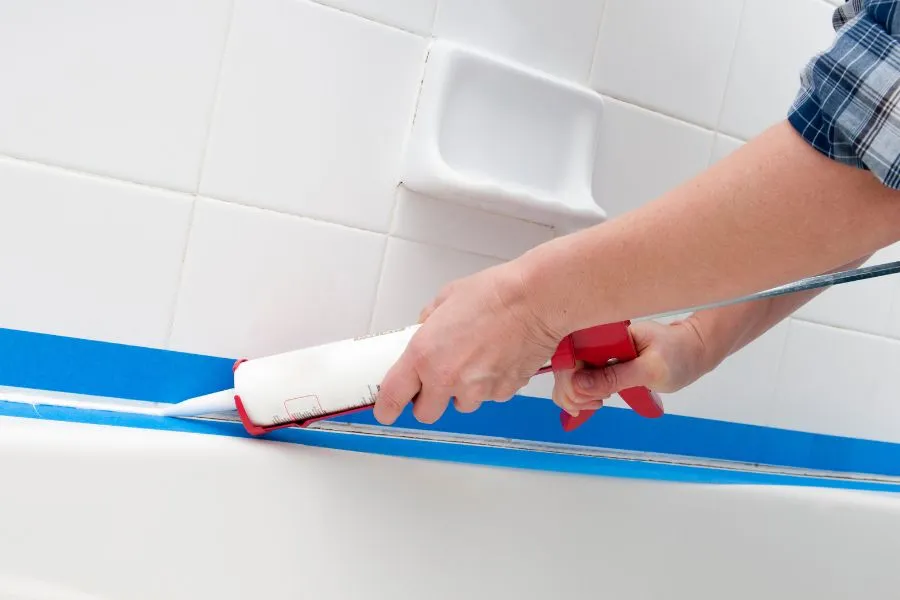
Grout is easy to apply because it is premixed.
2. Advantages and applications of grout
Let's take a look at the outstanding advantages and common applications of grout to understand why this is a popular solution in the construction industry.
2.1. Advantages of grout
Outstanding waterproofing: Waterproof grout creates a perfect protective layer, helping to prevent water from seeping through the tile joints and minimizing mold. This is the biggest advantage that makes grout superior to traditional materials.
High durability: Grout is resistant to abrasion and withstands strong environmental impacts. Thanks to that, it ensures a long life for the project.
Diverse colors: Unlike conventional grout powder, grout offers many color options, from neutral tones to outstanding colors, suitable for projects that require high aesthetics.
Easy to construct: The flexibility and adhesion of grout helps the construction process become quick and effective. This is especially useful in projects that require fast progress or in areas that are difficult to construct.
Easy to clean: The surface of the grout after drying is usually smooth, does not attract dust or dirt, helping the project stay clean and easy to maintain.
2.2. Applications of grout
For housing: Grout is often used to grout tiles in spaces such as kitchens, bathrooms, and living rooms. Especially, in areas that are exposed to a lot of water, such as bathrooms or balconies, grout ensures effective waterproofing and protection of tiles.
Outdoor projects: With the ability to withstand sun, rain and other weather effects, grout is an ideal choice for outdoor tiling projects, such as swimming pools, gardens, or walkways.
Public and industrial spaces: In areas that require high durability such as hospitals, factories, or restaurants, grout meets strict requirements for strength and chemical resistance.
Interior decoration and art: In addition to being used for regular grouting, grout is also used in decorative projects, such as creating patterns for mosaic tile walls or highlighting unique designs.

Grout glue brings many advantages over conventional grout powder.
3. Popular types of grout on the market today
Grouts on the market today are classified based on chemical origin. Below are the popular lines:
Cement-based grout:
The main ingredient is Portland cement combined with waterproofing additives.
Advantages: Low cost, suitable for common projects.
Disadvantages: Easily cracked or moldy if not well maintained.
Epoxy-based grout:
This is a high-end grout, consisting of two main components: epoxy resin and hardener.
Advantages: Extremely good waterproofing, high durability, resistant to chemicals and temperatures.
Disadvantages: Higher cost and requires professional construction techniques.
Acrylic-based grout:
The main ingredient is acrylic polymer, providing high flexibility and good adhesion.
Advantages: Easy to use, suitable for surfaces with high aesthetic requirements.
Disadvantages: Not as durable as epoxy in harsh environments.
Silicone-based grout:
A versatile grout, often used for heat-resistant or highly elastic surfaces.
Advantages: High elasticity, suitable for glass or metal surfaces.
Disadvantages: Not suitable for porous tile surfaces or surfaces requiring high hardness.

4 popular grout roots today
4. Top best grout products today
Grouts are currently very diverse with many outstanding products on the market, suitable for different needs. Let's take a look at the best grout lines, highly appreciated for their durability, waterproofing ability, and aesthetics for you to easily choose.
4.1. LEMAN interior/exterior grout
LEMAN interior and exterior grout is a high-end product made from composite materials, combined with white cement, stone powder, and specialized additives. The product is in the form of a fine powder with popular colors such as white or gray, suitable for many different types of projects.
Outstanding advantages of LEMAN interior and exterior grout:
High gloss, no cracking: The surface after finishing has a beautiful gloss, ensuring aesthetics and no shrinkage or cracking.
Outstanding adhesion: The product adheres well to natural or artificial tiles and stones, creating a strong durability for the grout.
Waterproof and durable: LEMAN tile grout has excellent waterproofing ability, withstands the impact of environmental factors such as water, temperature, and chemicals.
Antibacterial, anti-fouling: With special technology, the product helps prevent the growth of bacteria, moss, mold, and at the same time limits dirt, easy to clean.
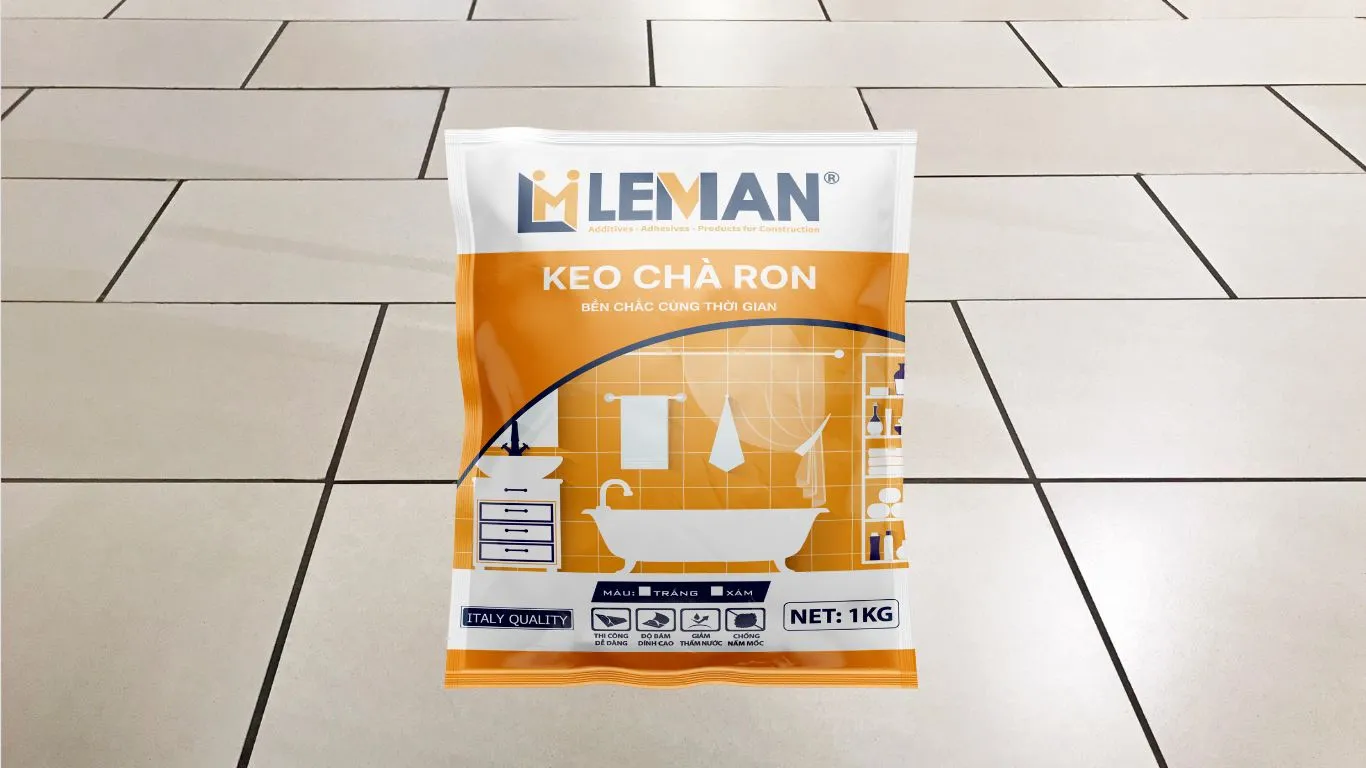
LEMAN grout is durable over time.
4.2. Sika Tile Grout
Sika Tile Grout is a specially designed premixed product with main ingredients of polymer, cement, CaCo3, Silicate and additives to support construction. This line of adhesive is the perfect combination of quality and construction efficiency for brick and stone projects.
Advantages of Sika Tile Grout:
No shrinkage, no cracking: The adhesive is highly stable, does not shrink when dry, helping the grout surface to always be smooth and free of cracks.
Excellent waterproofing: The adhesive has excellent waterproofing ability, protects the surface from water, dirt and maintains aesthetics for a long time.
Anti-mold and bacteria: The product is capable of resisting the growth of mold and bacteria, helping to maintain a clean and safe surface for health.
Oil and solvent resistance: The glue has good oil and solvent resistance, suitable for projects that may be exposed to dirt or grease.
High adhesion strength: The product adheres extremely well to many types of tiles and stones, ensuring the firmness of the joints.
Diverse applications: Suitable for joints with a width of 2-12mm and a glue thickness of 1.5-10mm, creating flexibility in construction.
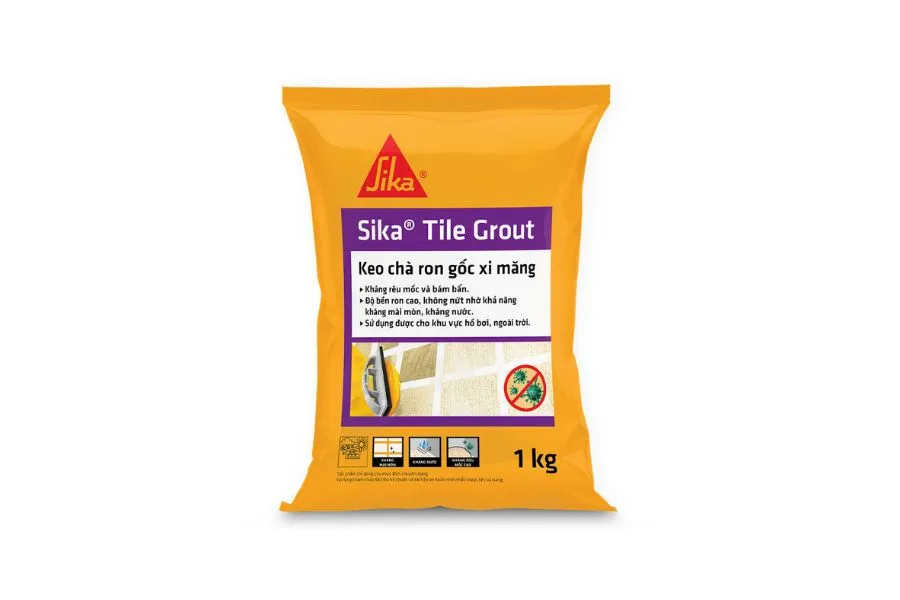
Sika Tile Grout has good resistance to oil and solvents.
4.3. Weber grout
Weber grout (also known as Weber grout) is a high-end specialized adhesive line, manufactured by the famous French Weber Group. Known as one of the leading tile grout brands, Weber grout has been and is the superior choice for many projects, especially projects requiring high construction quality.
Advantages of Weber grout:
Outstanding waterproofing ability: The adhesive has very good waterproofing ability, helping to protect the grout lines from the effects of water, preventing mold and surface damage.
Strong adhesion: The adhesive has high adhesion, helping the grout lines to be strong and not easy to peel off even when subjected to strong impact.
Does not cause cracks in the tile joints: This product is highly stable, does not cause cracks during construction, ensuring the aesthetics of tile works.
Chemical resistance: The glue is not corroded by cleaning chemicals, helping to maintain the quality of the grout for a long time without worrying about damage.
Good load-bearing capacity: The glue can withstand heavy pressure, suitable for areas with high usage density or strong impact.
Environmentally friendly: This product is manufactured with an environmentally friendly process, contributing to protecting health and minimizing negative impacts on nature.
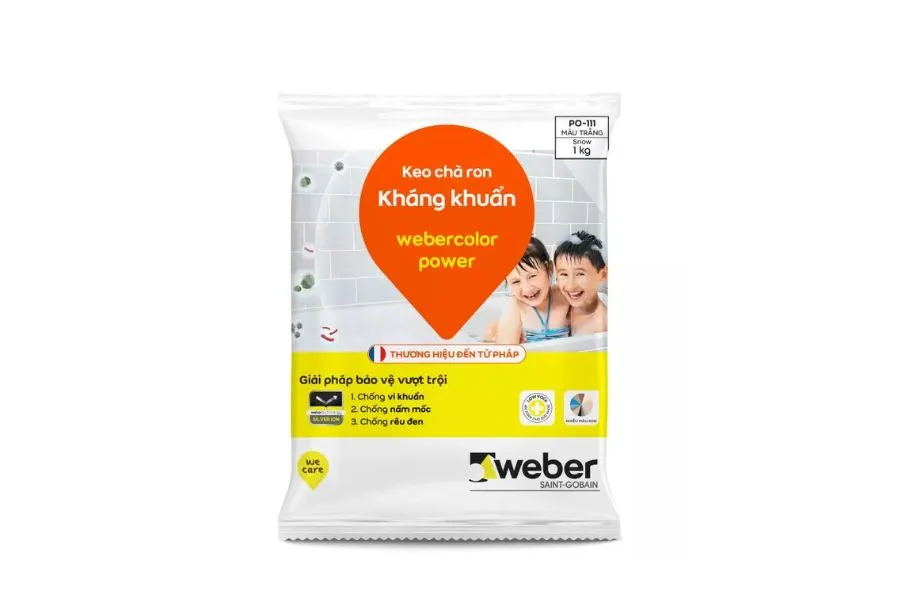
Weber grout has high antibacterial properties
Grout plays an important role in enhancing the aesthetics and durability of tiling works. To ensure quality, you should buy grout from reputable brands. In particular, LEMAN provides high-quality grout products that are easy to apply, waterproof and durable, helping your works to be complete and long-lasting.


.jpg)


