


Waterproofing old houses: Things to note to ensure durability
Are you worried about water infiltration in your old house? Don't let this problem drag on, because house waterproofing not only protects property but also ensures the health of your family.

Thing to note when waterproofing an old house
1. Why Should You Waterproof an Old House?
After years of use, old houses often face water leakage problems, especially during the rainy season or in areas with high humidity. Failing to fix these issues in time not only affects aesthetics but can also lead to serious financial loss and health problems.
1.1 Common Causes of Water Leakage in Old Houses
- Degraded construction materials: Over time, materials such as concrete, bricks, and mortar deteriorate, forming cracks on walls or floors.
- Poor drainage systems: Damaged or clogged roof gutters and drainage channels cause water buildup, leading to seepage.
- Substandard initial waterproofing: Using low-quality materials or poor application techniques during construction is one of the main reasons for water penetration later on.
1.2 The Consequences of Not Waterproofing in Time
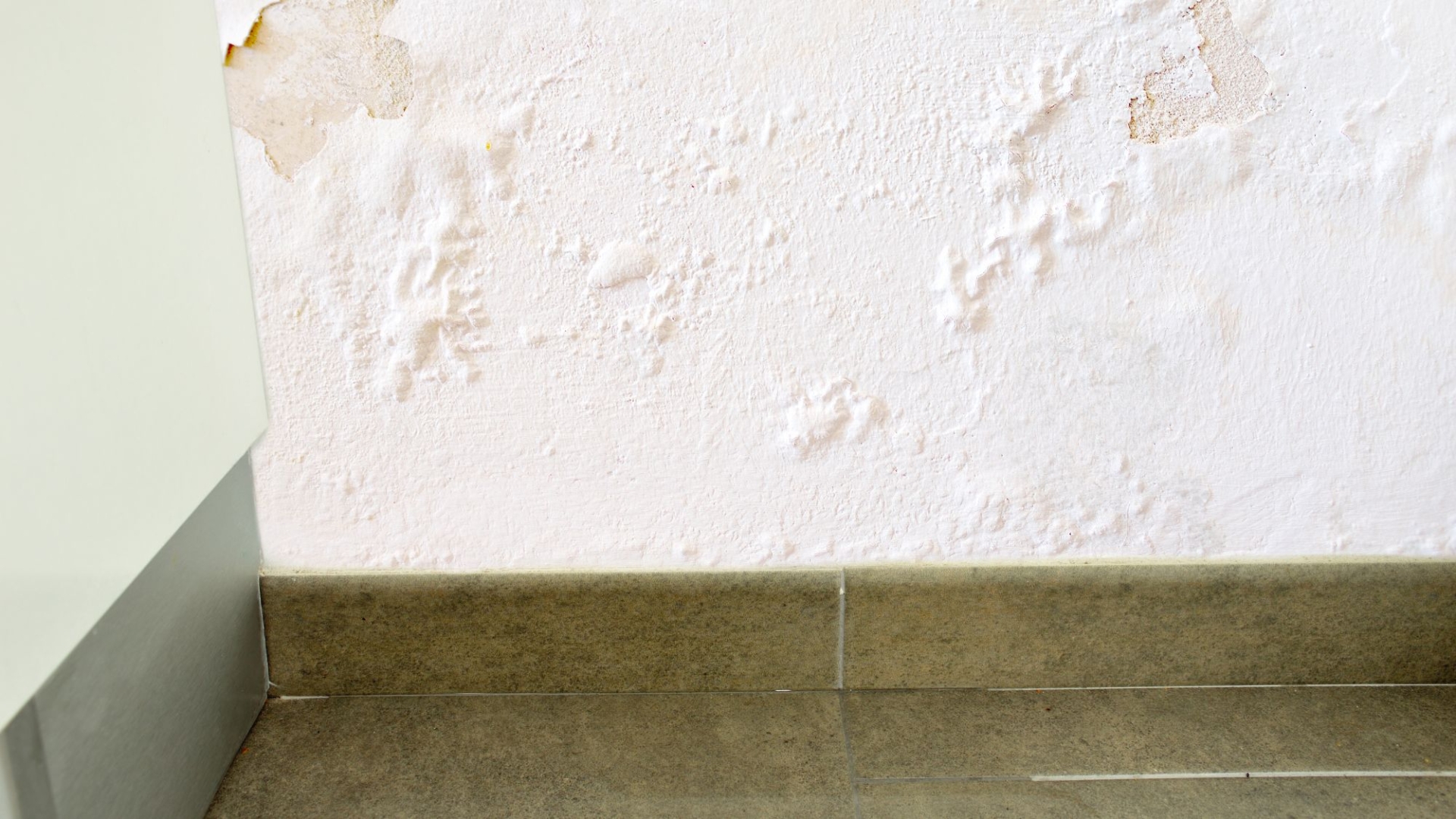
The harmful effects of not waterproofing in time
If not handled promptly, water seepage can lead to serious consequences such as:
- Structural damage: Cracks grow larger over time, weakening the strength of walls and floors.
- Unhealthy living environment: Damp walls create ideal conditions for mold and mildew to grow, posing health risks—especially to children and the elderly.
- High repair costs: Fixing damage caused by leaks is often far more expensive than applying waterproofing from the beginning.
Applying waterproofing to an old house not only protects your property but also improves your family’s living quality.
2. Important Notes When Waterproofing an Old House
Waterproofing an old house requires careful preparation and the right method. Below are important tips to ensure the best results.
2.1 Inspect the House Condition Before Application
Before you begin, thoroughly inspect the entire house to identify areas that are leaking or at risk of leaking. Key points to check include:
- Walls: Look for cracks, mold, or bulging areas.
- Ceilings: Check for water stains or discoloration.
- Floors: Especially ground floors, where water may seep upward if the original foundation waterproofing has deteriorated.
2.2 Check Surface Conditions Before Application
Surface preparation is the key to successful waterproofing. A clean, dry, and stable surface allows the coating to adhere better and last longer.
Start by removing old paint, dirt, and mold. Then, ensure the surface is dry—let it air dry naturally or use fans if necessary. Finally, make sure the surface is even and free of cracks or peeling so the waterproofing layer can be applied smoothly and effectively.
2.3 Choose the Right Waterproofing Product
Selecting the right waterproofing product determines both the durability and effectiveness of your project. Among the options available on the market, LEMAN AT-11 Plus Floor Waterproofing stands out for its superior performance and comprehensive protection.
LEMAN AT-11 Plus is specifically designed for floors and is ideal for high-moisture areas such as rooftops, bathrooms, and balconies. The product features an advanced formula that forms a flexible waterproof membrane, tightly adhering to the surface and preventing water infiltration.

LEMAN AT-11 PLUS floor waterproofing
Key Advantages of LEMAN AT-11 Plus:
- Excellent water resistance: Prevents water penetration through pores and small cracks.
- High durability: Resistant to peeling or deterioration under harsh weather conditions.
- Easy application: Simple to use, saving both time and cost.
This product is an ideal solution for protecting your floors from water damage, giving your family long-lasting peace of mind. Choosing LEMAN AT-11 Plus means investing in an effective waterproofing solution that extends the lifespan of your entire structure.
2.4 Proper Application Techniques
You can apply the product yourself if you have experience and basic knowledge of waterproofing. However, for more complex cases, hiring a professional team will save time and ensure the best results. Regardless, it’s crucial to follow the manufacturer’s instructions on the product label.
When applied correctly, a waterproofing layer not only protects your home but also reduces long-term maintenance costs.
3. Step-by-Step Guide to Waterproofing an Old House
Below is a detailed guide to help you perform waterproofing for your old house effectively—from preparation to finishing touches.
3.1 Prepare Materials and Tools
Before you start, make sure to prepare the following materials and tools:
- LEMAN AT-11 Plus Floor Waterproofing
- Paint rollers, brushes, and mixing containers
- Personal protective gear: gloves, masks, safety glasses
- Tarpaulins and cleaning tools such as brooms and clean cloths
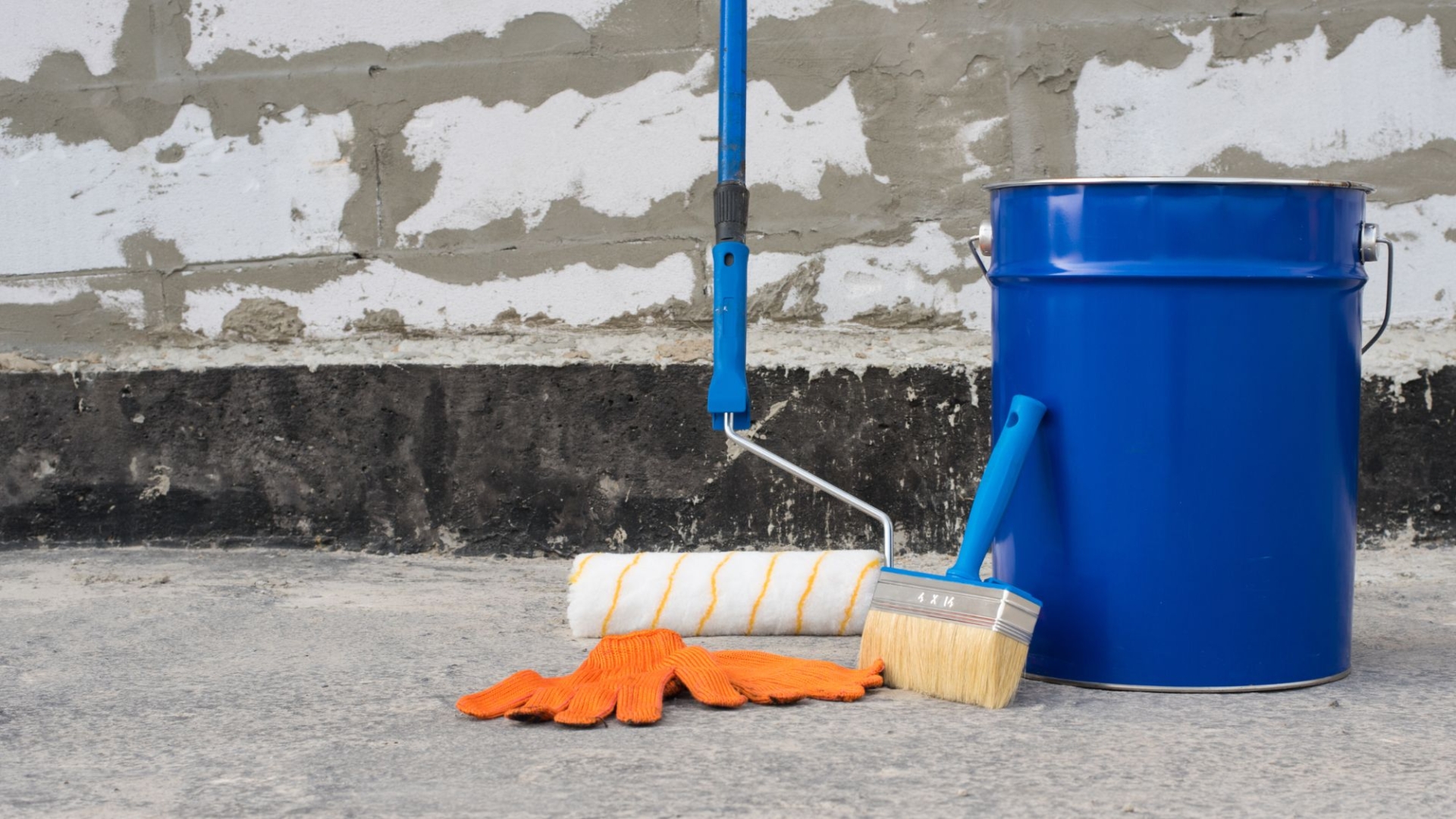
Prepare-tools-and-materials
Proper preparation will save time, ensure safety, and deliver optimal results.
3.2 Step-by-Step Process
- Clean the surface: Remove all dirt, mold, and old paint from the surface. Use a stiff brush or clean cloth to ensure it is completely clean and dry.
- Repair cracks: Seal all cracks on walls or ceilings and let the filler dry completely before continuing.
- Apply the waterproofing coating: Evenly apply 2–3 layers of LEMAN Super Shield. Allow each layer to dry completely before applying the next.
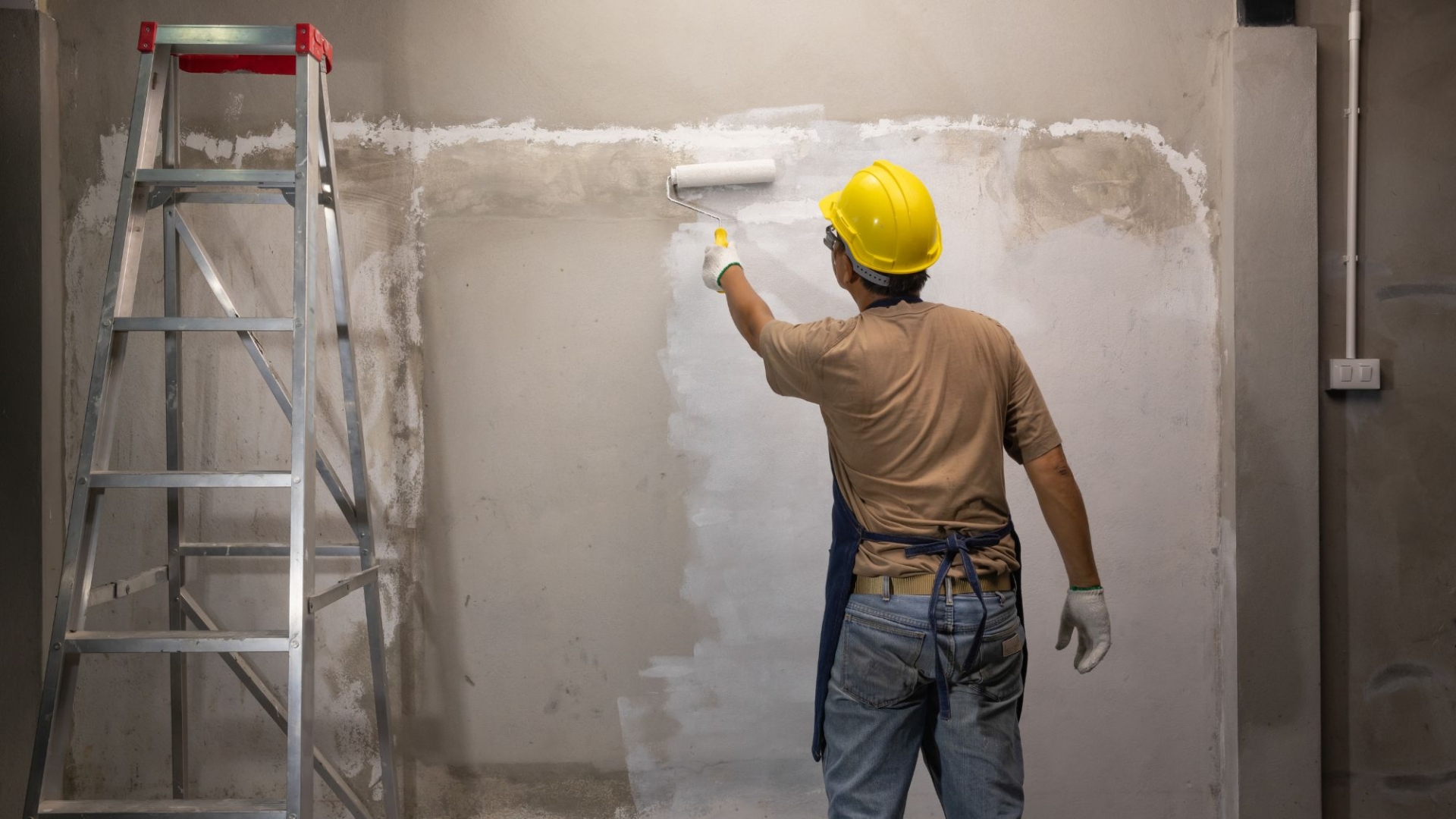 Construction of waterproof paint layer
 - Inspection and maintenance: After application, carefully inspect to make sure no area is missed. If needed, apply an additional protective topcoat.
3.3 Regular Inspection and Maintenance
Routine inspection and maintenance are the best ways to ensure your home’s waterproofing layer remains effective. Perform checks every six months or after heavy rains to quickly detect and fix any issues.
Applying waterproofing to your old house is not only about protecting your property—it’s also about improving your family’s living comfort.
Are you ready to make your home more durable and sustainable with effective LEMAN waterproofing solutions?
LÊ MỸ LINH
You may be interested
- Common Mistakes When Using Concrete Hardener Additives
- What is Concrete Surface Hardener?
- What is concrete floor hardening?
- Is Exterior Waterproof Paint Effective for Coastal Homes?
- Things to Know Before Buying Concrete Surface Hardener Additives
- Common Mistakes in Roof Waterproofing and How to Avoid Them


.jpg)


